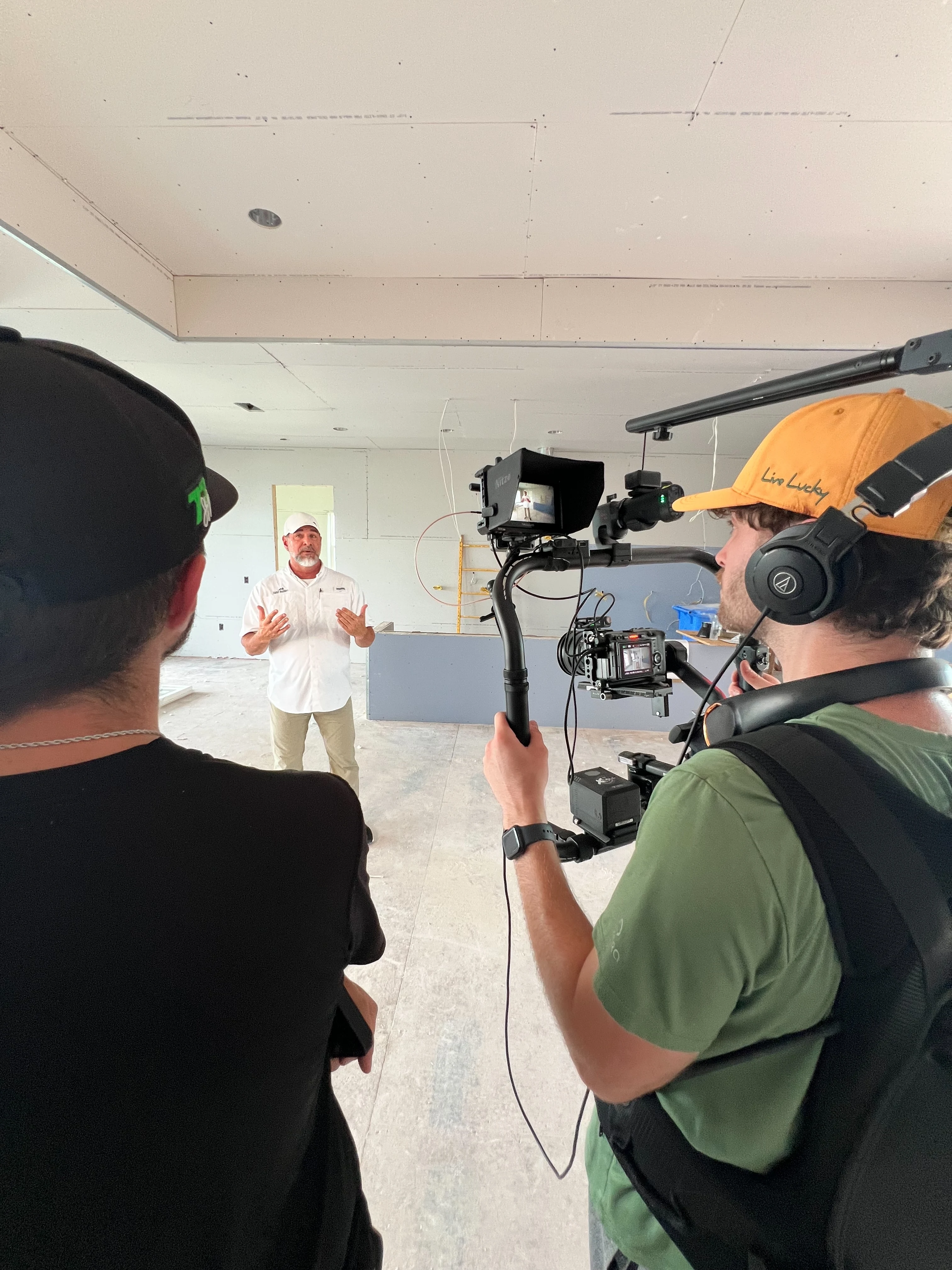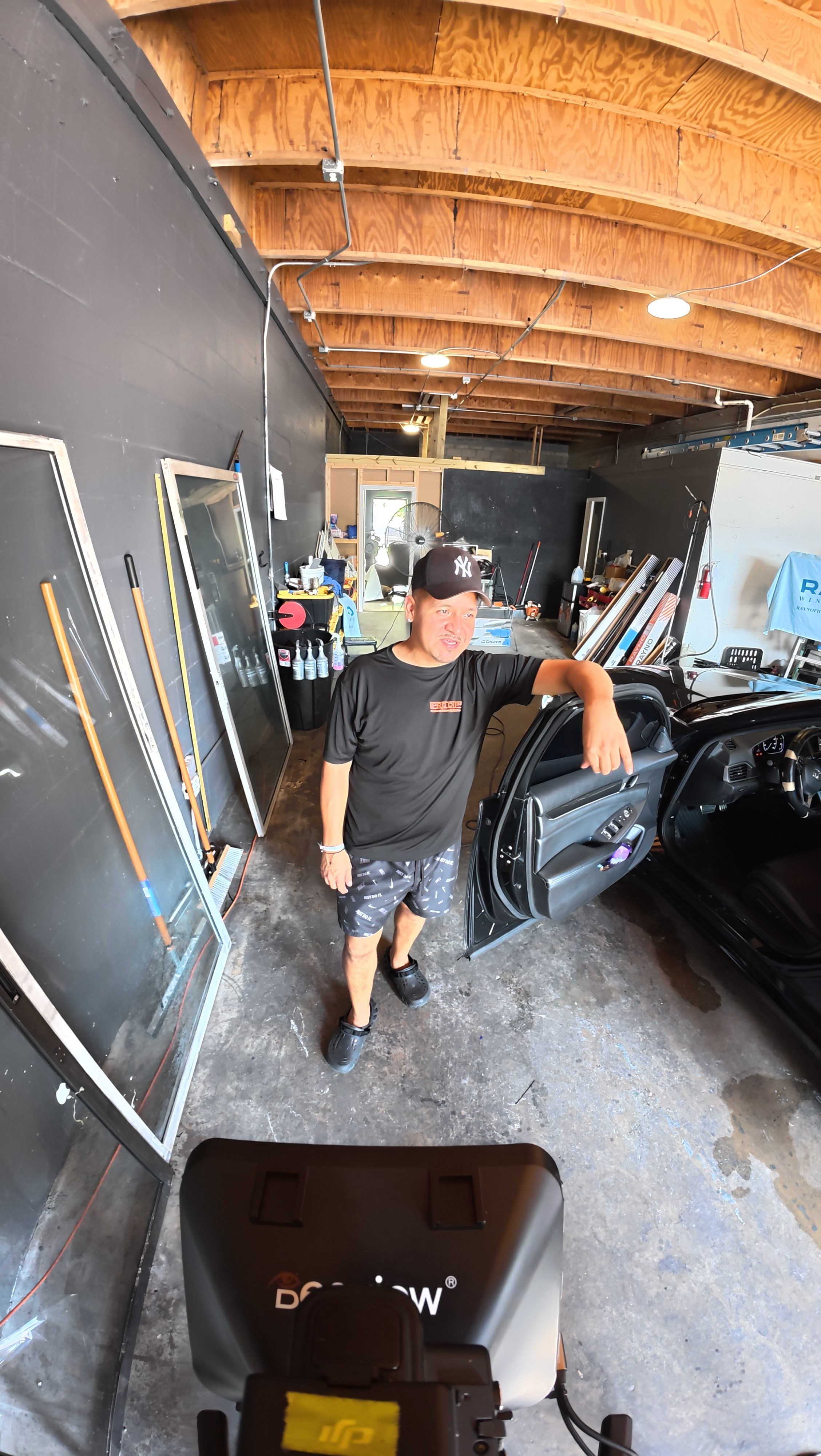
An educational ad gives a potential customer something useful before asking for an appointment. For a local service business, that might be a detail to check before requesting an estimate, a common misunderstanding about the work, or a comparison that makes a buying decision easier.
In our Instagram lesson on educational headlines, we explain a simple sequence: call out the local audience, introduce a relevant problem, then use a short video to teach. The useful part is the connection between the opening and the explanation. A dramatic headline needs a clear answer behind it.
Start with a question customers actually ask
Look through recent estimate conversations. Choose a question that affects whether someone is a good fit for your service. “What should I have ready for an estimate?” is usually more useful than a broad topic such as “Why quality matters.”
Write down three things before filming:
- The decision: What is the customer trying to decide?
- The misunderstanding: What do people tend to assume incorrectly?
- The demonstration: What can you show that makes the answer understandable?
For a screening company, an illustrative topic could be the difference between replacing damaged screen material and discussing a larger enclosure project. The business should explain its actual services and limits, using a real example it has permission to film.
Build a short lesson with a complete answer
Use this structure as a starting point, not a fixed video length:
- Name the situation. “Planning to update your patio screening?”
- Explain one distinction. Show two relevant project examples and describe what makes them different.
- Give a useful next step. Explain which photos or measurements help the first conversation.
- Offer help. Invite the viewer to ask about their own project.
Someone who never contacts you should still understand more after watching. If the video ends with “message us to find out the answer,” the education is still missing.
Make curiosity specific and honest
Our reel discusses a headline about an expensive homeowner mistake. That style can draw interest, but it creates an obligation: identify the mistake promptly and explain it accurately. Avoid suggesting every viewer has hidden damage or needs urgent work.
Compare these illustrative openings:
- Vague: “Homeowners are making a huge mistake.”
- Specific: “Before you request a patio-screening estimate, take these three photos.”
The second version tells the right person exactly what they will learn. It also gives your team a natural demonstration to film.
Carry the lesson through to the inquiry
The destination page should continue the same conversation. If the video explains preparing for an estimate, the page should show what information to submit and what happens next. Sending that viewer to an unrelated promotion forces them to start over.
Ask the person handling inquiries whether prospects mention the lesson. Are they sending more useful information? Do they understand the service? Are fewer conversations spent correcting the same misunderstanding? These observations help explain the numbers.
Test a question, not a promise
Choose two real customer questions and make one ad for each. Keep the service, next step and follow-up process consistent enough to compare. Review qualified inquiries and appointments as well as views. A frequently watched lesson may attract people who are interested in learning but are not looking to buy.
For the next content day, bring five recurring customer questions, select the one that most often delays an estimate, and film a complete answer with a real demonstration.
Source: BVS’s educational-headline reel. The examples and planning steps above expand the lesson; they are not additional client results. For a broader production plan, see what to film for local video ads.