“We do quality work” asks a stranger to trust your description. Showing a relevant detail, explaining the process and letting a real customer describe their experience gives that stranger something to assess.
In our Instagram lesson about competing video ads, we identify three elements: the opening, awareness of the customer’s problem and the sequence of visual proof. The reel does not publish a complete shot-by-shot formula. Here is a practical way to apply those three ideas to your own footage.
Pair every important claim with something visible
Before filming, write the main claim in one column and the footage that supports it in another. If there is nothing specific to show, make the claim narrower or remove it.
| What you want to communicate | Useful supporting footage |
|---|---|
| We explain the process clearly | A team member walking through an actual step |
| We handle projects like yours | A relevant completed project, identified accurately |
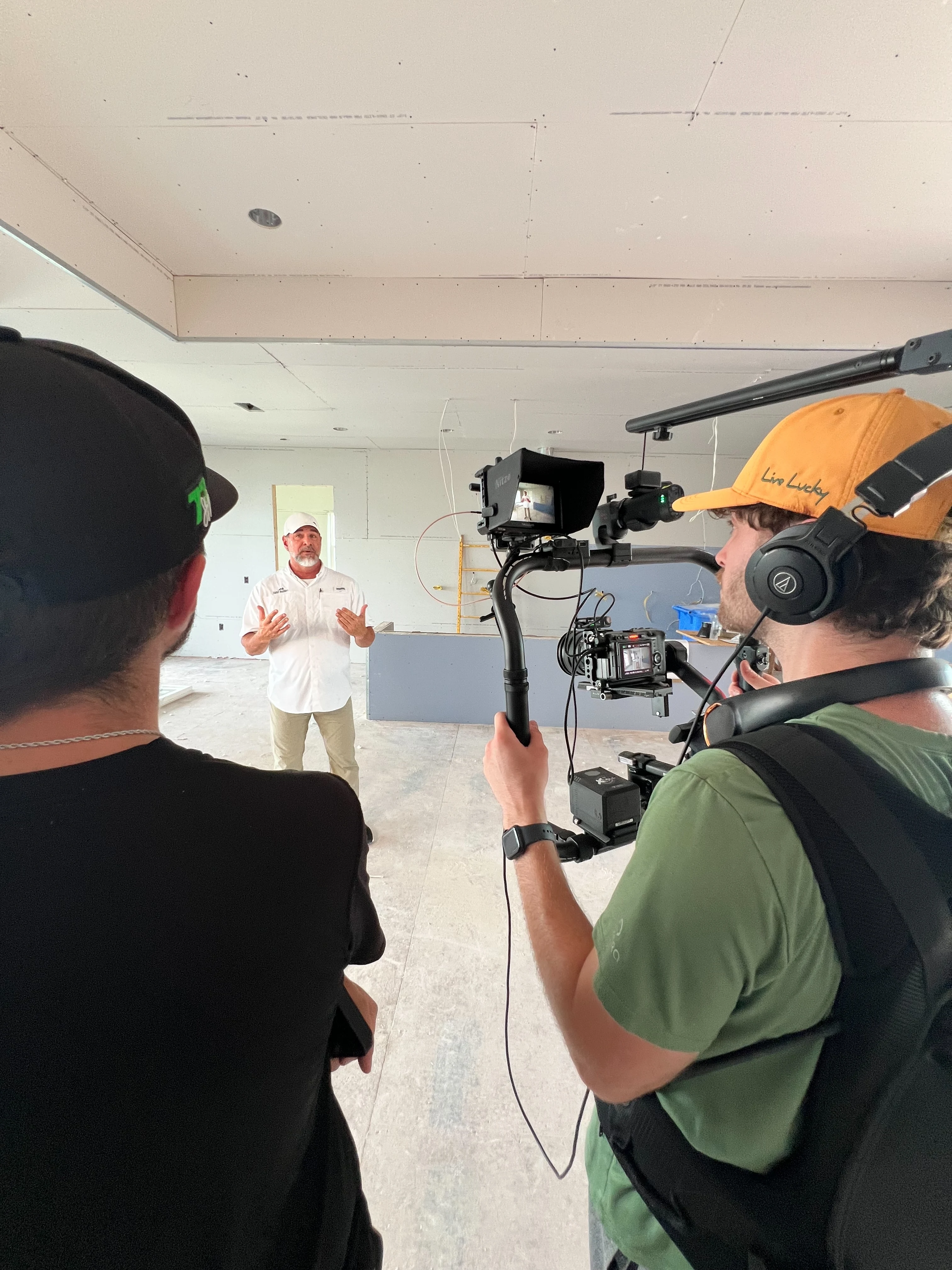
| You will work with real local people | The people customers will actually meet, on location |
| Customers value the experience | A specific, attributed customer account |
An attractive unrelated shot may improve the look of a video, but it does not establish the claim.
Put proof beside the point it supports
Avoid saving every useful example for a closing montage. When you describe a detail, show that detail. When you explain preparation, show the preparation. When a customer mentions a project, show that project if you have appropriate footage and permission.
A simple illustrative sequence could be:
- Show the customer situation and name it.
- Explain the relevant service or decision.
- Show a real example that supports the explanation.
- Tell the viewer what information helps the next conversation.
The sequence should make sense as a small explanation, even without music or transitions.
Give before-and-after footage enough context
Use the same project and reasonably comparable views. State what work was performed. Do not imply that a visual improvement proves savings, longevity or another outcome the footage cannot establish.
If you only have an after shot, use it honestly as a completed-project example. A real finished detail is stronger than a manufactured “before” image.
Interview customers about specifics
Ask what they were trying to accomplish, what made the process easier, and what changed afterward. Let them describe their experience in their own words. A small concrete observation is often more informative than a broad endorsement.
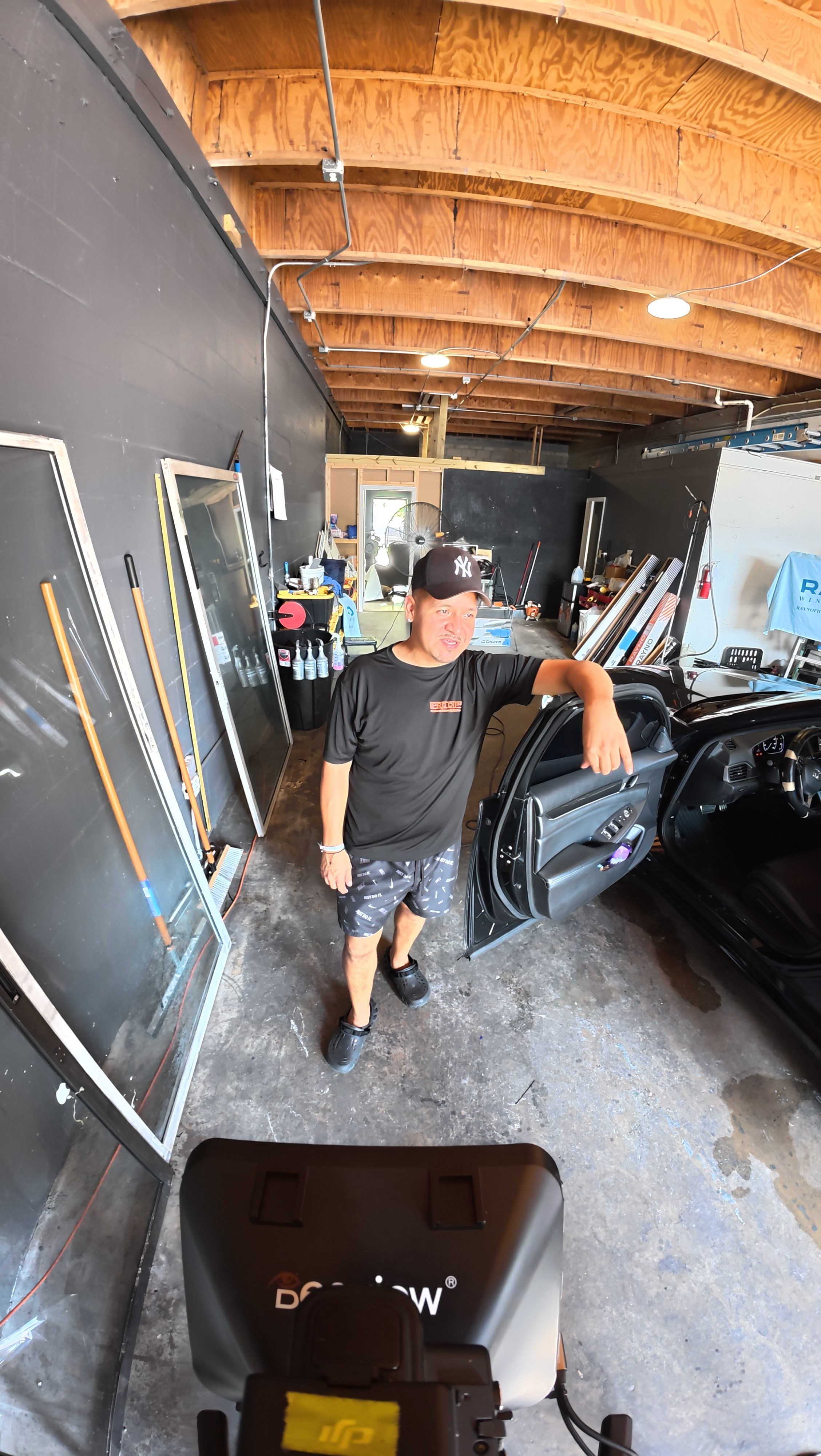
Courtesy Screening’s story is useful because Rudy explains a change in the conversations he receives: people recognize the work from the video and know more about what they want. That is a clearer lesson than simply asking him to say the marketing was good.
Review the edit as a skeptical customer
Pause at each claim and ask, “What have I actually been shown?” Check that the person, project and result belong together. Remove shots that make the story appear more specific than your evidence supports.
For your next shoot, choose three claims your sales team regularly makes. Capture one honest visual example for each. You will leave with a more useful library than a folder full of attractive but interchangeable footage.
Source: BVS’s three-element video-strategy reel. The workflow above is an application of the lesson, not the undisclosed formula mentioned in the reel.