“Qualified lead” should mean something your marketing team and the person answering the phone can both recognize. Without a shared definition, one person counts every form submission while another counts only customers ready for an estimate.
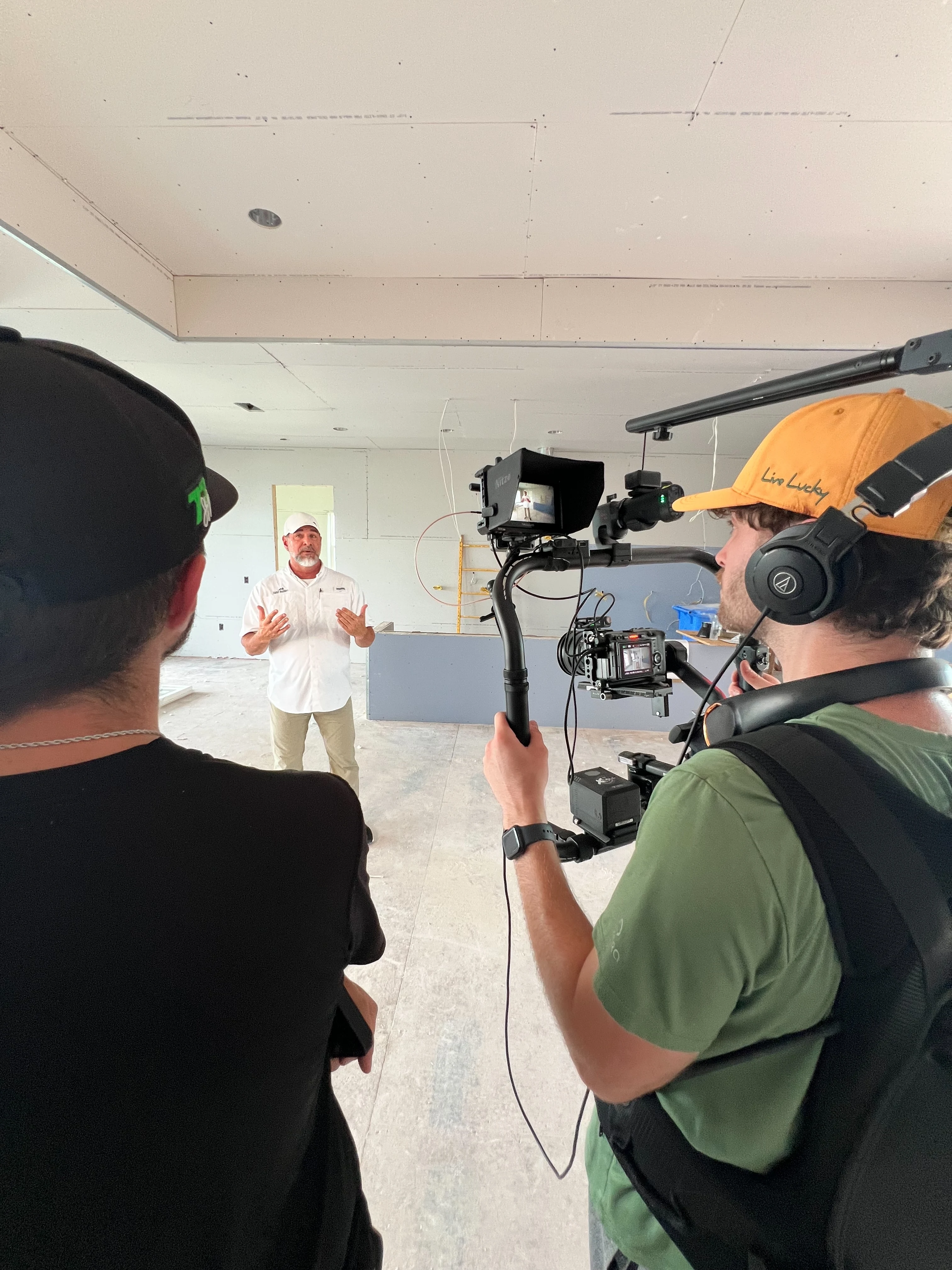
In Courtesy Screening’s interview, Rudy describes prospects moving beyond general interest: they recognize the work from the video and arrive with a clearer idea of what they want. He also explains how an appointment setter talks them through the process. Those observations suggest a practical distinction between attention, an inquiry and a suitable opportunity.
Define fit before judging the campaign
Write a short definition based on the jobs your business can actually serve. A useful starting point is a person with a relevant project, in your service area, whose requested next step fits your process.
Do not make “ready to buy immediately” the only acceptable state unless that is truly your business model. A suitable customer researching a larger project may need more time. Track that person separately from someone asking for a service you do not offer.
Ask questions that change the next step
Keep initial qualification focused. An illustrative first conversation might cover:
- Location: “What city is the project in?”
- Project: “What are you looking to have done?”
- Timing: “Are you gathering information or hoping to schedule soon?”
- Preparation: “Do you have the details or photos we need for the next step?”
Ask about budget or project constraints when they are relevant, and explain why. Avoid a long interrogation that collects information no one uses.
Give each inquiry a clear status
Use a small set of definitions the team can apply consistently:
- New: Received, not yet reviewed.
- Contact pending: A response has been attempted; fit is still unknown.
- Suitable: The project meets the agreed criteria.
- Nurture: Relevant, but not ready for the next step yet.
- Not a fit: A known mismatch, with a reason recorded.
- Appointment booked: A specific next conversation or visit is scheduled.
“No response” is not automatically “bad lead.” You do not know the project’s fit until enough information is available. Keeping those categories separate prevents misleading conclusions.
Turn mismatch reasons into improvements
Review recurring reasons together. Wrong service requests may point to unclear creative. Out-of-area inquiries may call for a coverage review. People expecting a different price or process may need clearer information before submitting.
This is a feedback loop: the conversations inform the next ad, page revision and qualification question. The goal is not to make the report look better by changing labels after the fact.
Track the entire progression
Record suitable inquiries, appointments held, estimates and jobs won. Keep the qualification definition stable over the comparison period. If the business changes its criteria, note the date so reports remain understandable.
Start by reviewing a small sample of recent inquiries with the person who handled them. Agree on the status and reason for each. That discussion often reveals whether the real issue is fit, information, timing or follow-up.
Source: Courtesy Screening’s BVS interview on Instagram. The status system above is a practical application of the interview, not a claim about Courtesy Screening’s internal CRM.