A click tells you someone was interested enough to take the next step. It does not tell you whether they understand your service, live in your service area or want the type of work you are trying to book.
Better conversations start with what people see before they contact you. Your ad and landing page should work together to set clear expectations.
Make the offer specific
Name the service, the audience and the action you want someone to take. If you install patio screens, show and explain that work. If a particular service is available only in part of your coverage area, make that clear.
Avoid an opening that attracts attention by promising something the business does not actually provide. A large response is less useful when the first conversation has to correct the visitor's expectations.
Answer the questions that come before an estimate
Think about the questions your team hears on repeat. A landing page can explain the basic process, the kinds of projects you take on and what a person should have ready when they contact you.
Useful questions include:
- What exactly does this service include?
- Does the business work in my area?
- What will the first conversation cover?
- Who will I be dealing with?
- Can I see a relevant example of the work?
- What happens after I submit an inquiry?
You do not need to answer every technical detail on one page. Give people enough context to take a useful next step, with links to more detailed information where it helps.
Match the ad to the page
If an ad talks about a particular service, the destination should make that service easy to find. Keep the wording, examples and next step consistent. A visitor should recognize that they arrived in the right place.
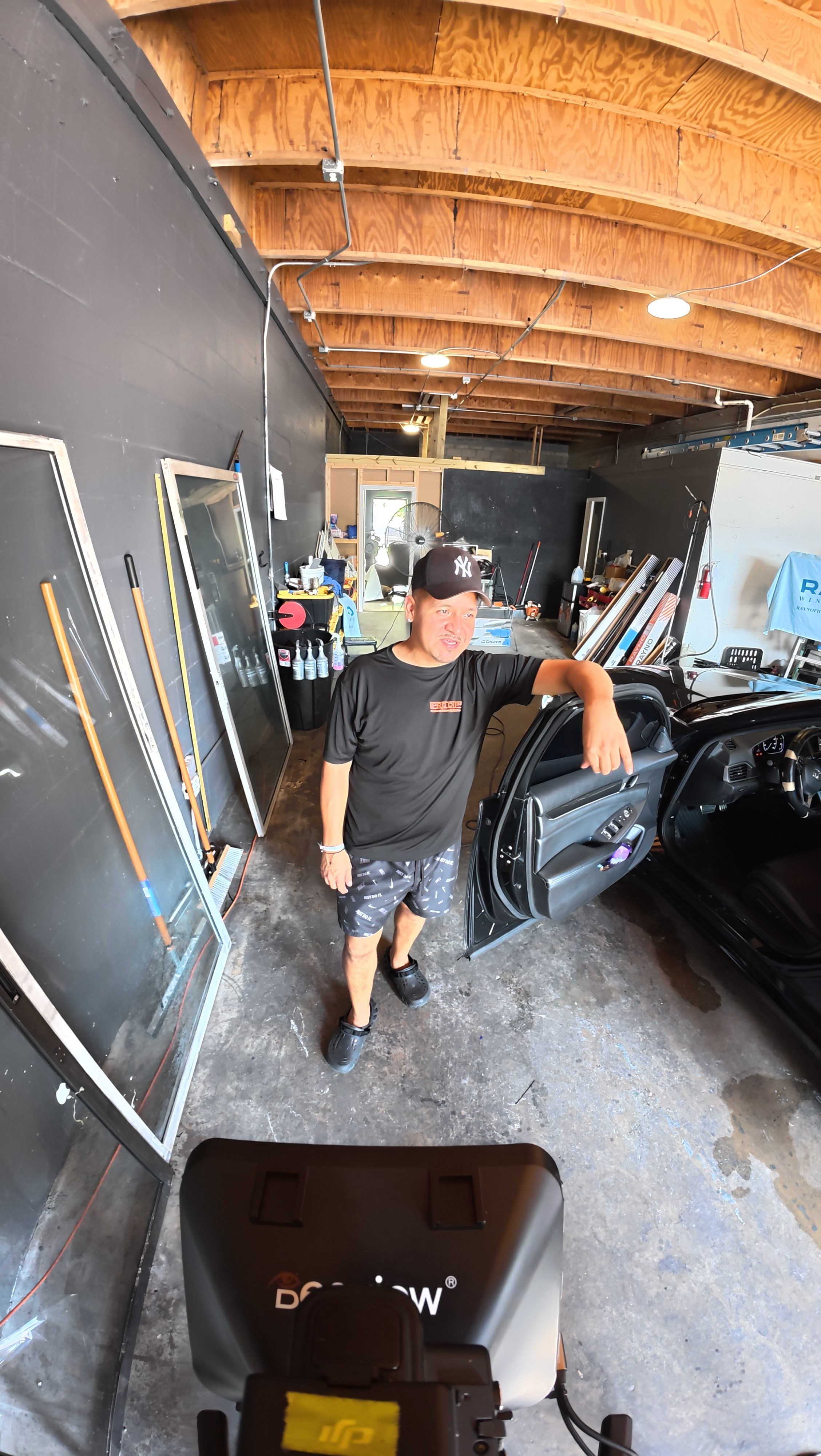
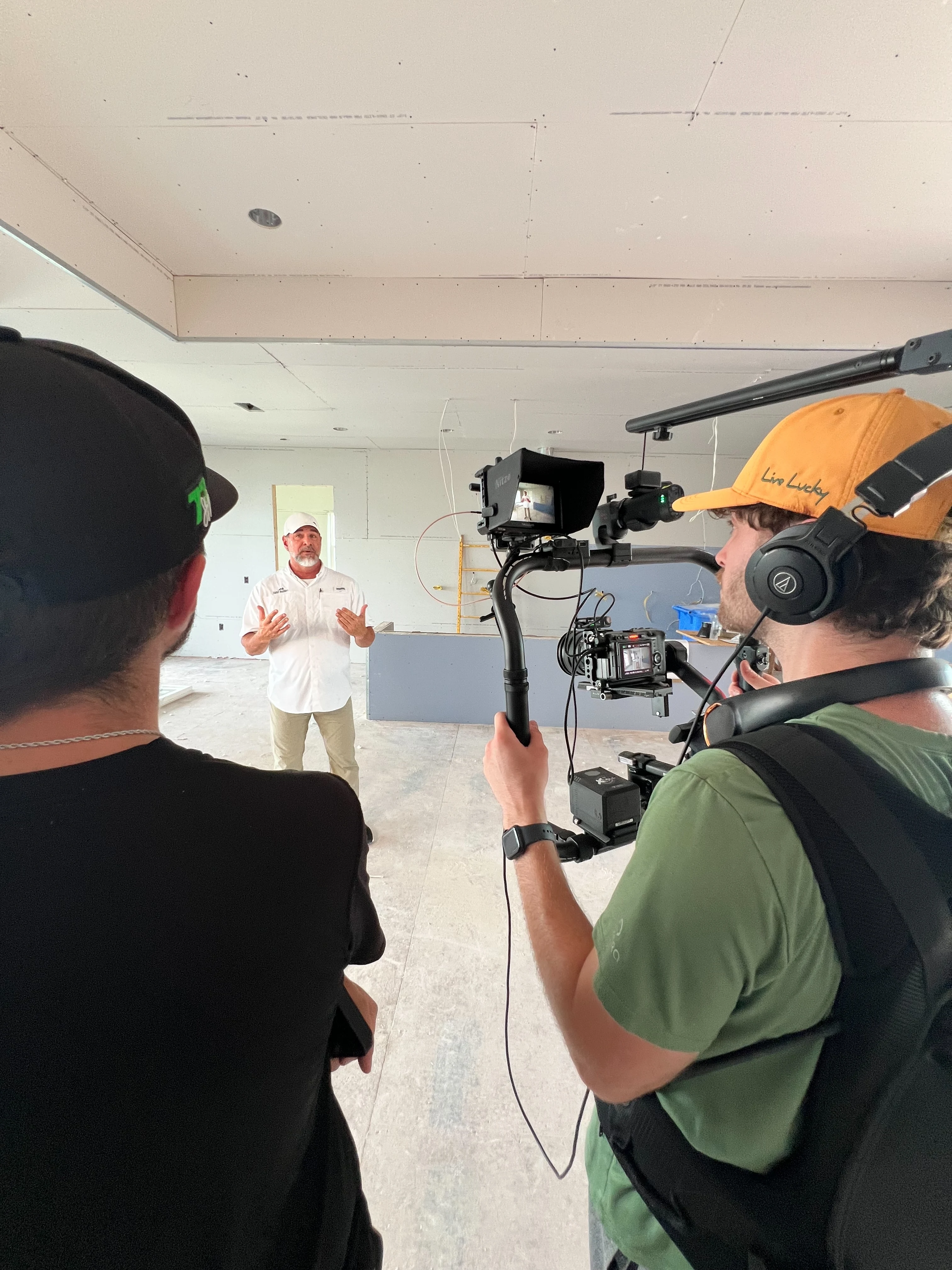
Use real project footage and clearly attributed customer stories. In Courtesy Screening's client video, Rudy describes prospects recognizing what they saw in the video and arriving with a clearer idea of the work they want. That is his experience, not a result every campaign can promise.
Review the conversations, not just the clicks
Ask the team what happens after an inquiry. Are people asking about a service you do not offer? Are they outside the area? Do they understand the next step? Those patterns can reveal an unclear message or a gap on the page.
Track the number of inquiries that fit the business, the estimates or appointments that follow, and the work that actually closes. Keep definitions consistent so the numbers mean the same thing from one review to the next.
Improve one gap at a time
Choose the biggest recurring misunderstanding and address it in the next ad or page revision. Give the change enough time to collect useful feedback, then review the quality of the conversations as well as their volume.
Book a strategy call to talk through where your current customer journey could be clearer.