A script can be accurate and still feel awkward to say. Perhaps the vocabulary is too formal, the explanation skips a step, or the offer sounds different from the way your team normally describes it.
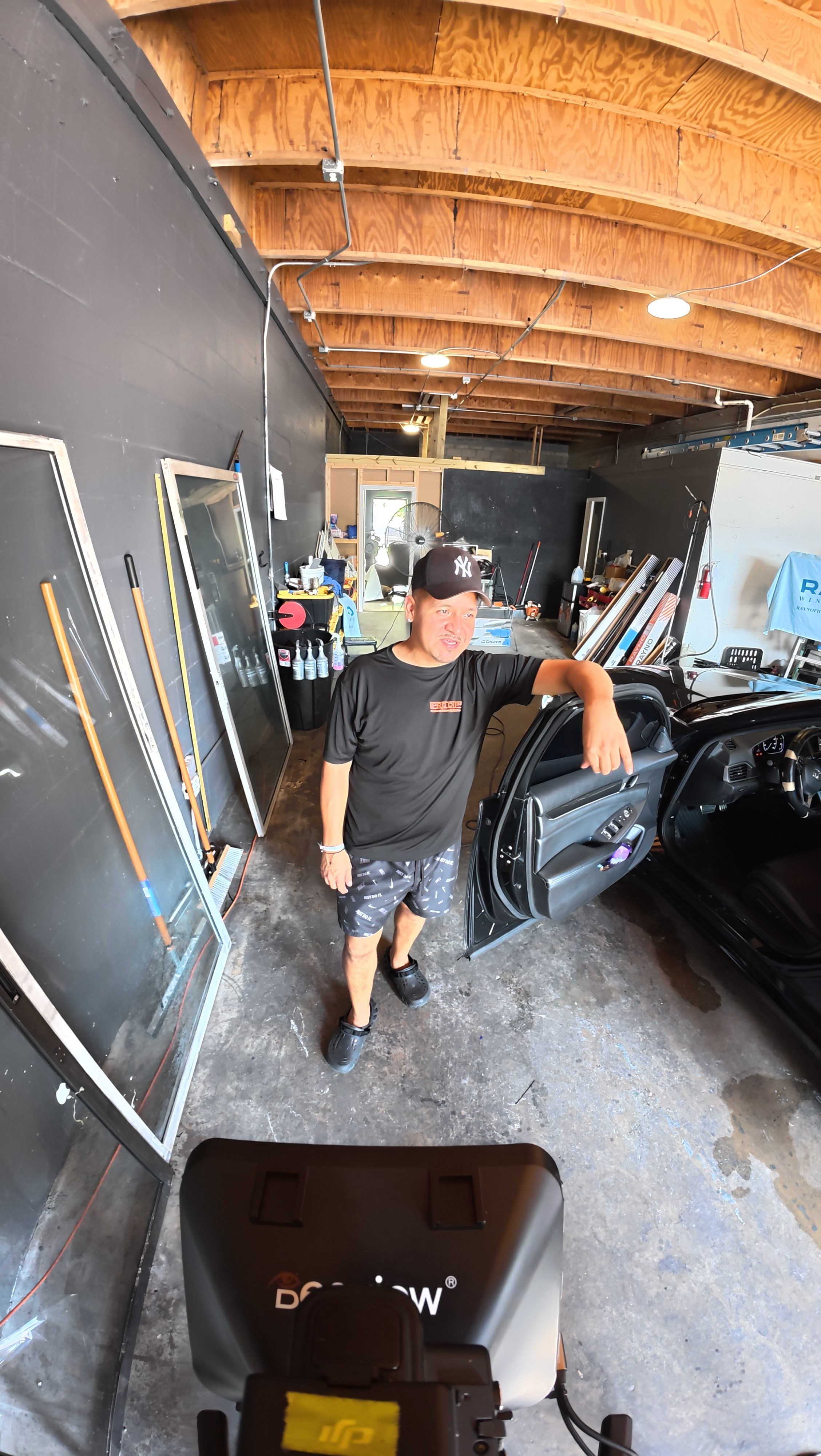
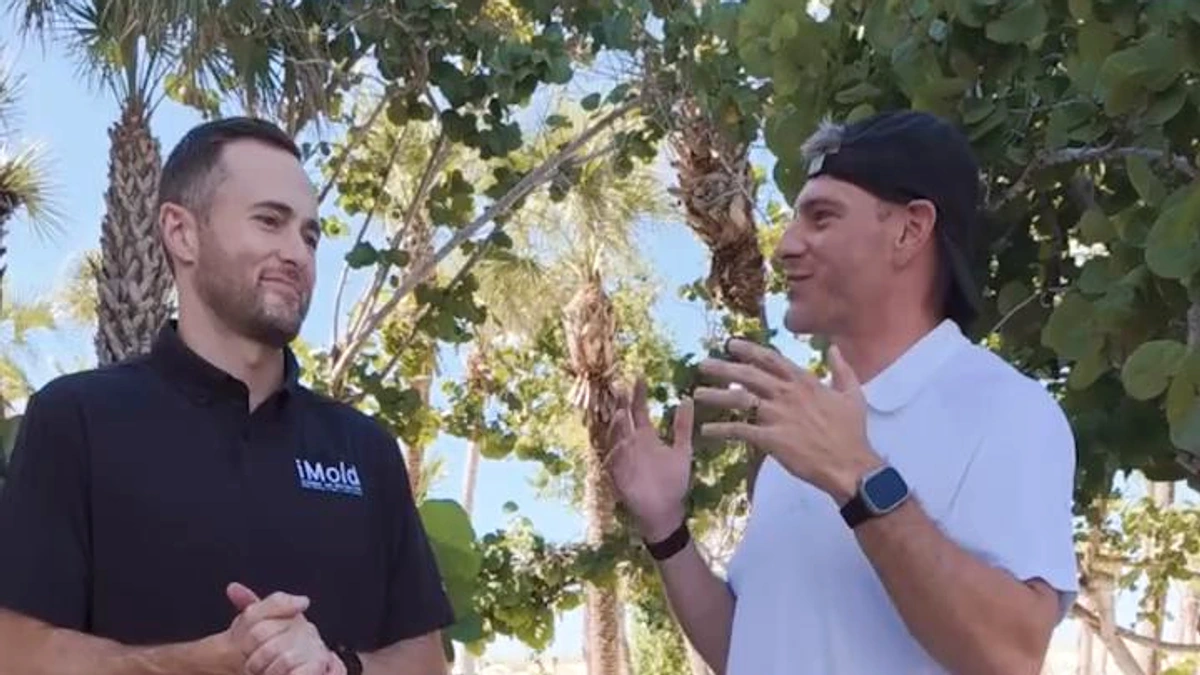
In iMold Cleaning & Restoration's first-shoot video, Adam points to one part of the preparation that helped: BVS sent scripts in advance. His team could review them and make sure the language suited the business before filming began.
That small review window is useful for more than memorizing lines. It gives the people doing the work a chance to make the message clearer and more accurate.
Read the script out loud
Writing and speaking have different rhythms. Read each line at a normal conversational pace. If you run out of breath, lose the point halfway through or stumble over a phrase repeatedly, shorten it.
Try explaining the same idea without looking at the page. Your spoken version may reveal a simpler sentence. Keep the meaning and the facts intact while making the delivery easier.
For example, an invented line such as “We provide comprehensive solutions for your exterior screening requirements” might become “We help you choose the right screen enclosure for your patio.” The second version gives a homeowner a clearer picture of the service.
Ask the team to check the details
The owner may have the broad message, while an estimator or service technician knows the questions that come up every day. Have someone close to the work review the script.
- Is this a service we currently offer in the area we are advertising?
- Are we describing the process accurately?
- Have we made a promise about timing, pricing or results that needs context?
- Would the person answering the phone explain the offer the same way?
Resolve those points before filming. It is easier to adjust a sentence in a document than to replace a spoken promise after the shoot.
Match each message to something visible
If you mention preparation, show the preparation. If you explain a choice between materials, show the difference a customer should understand. The script and the footage should help tell the same story.
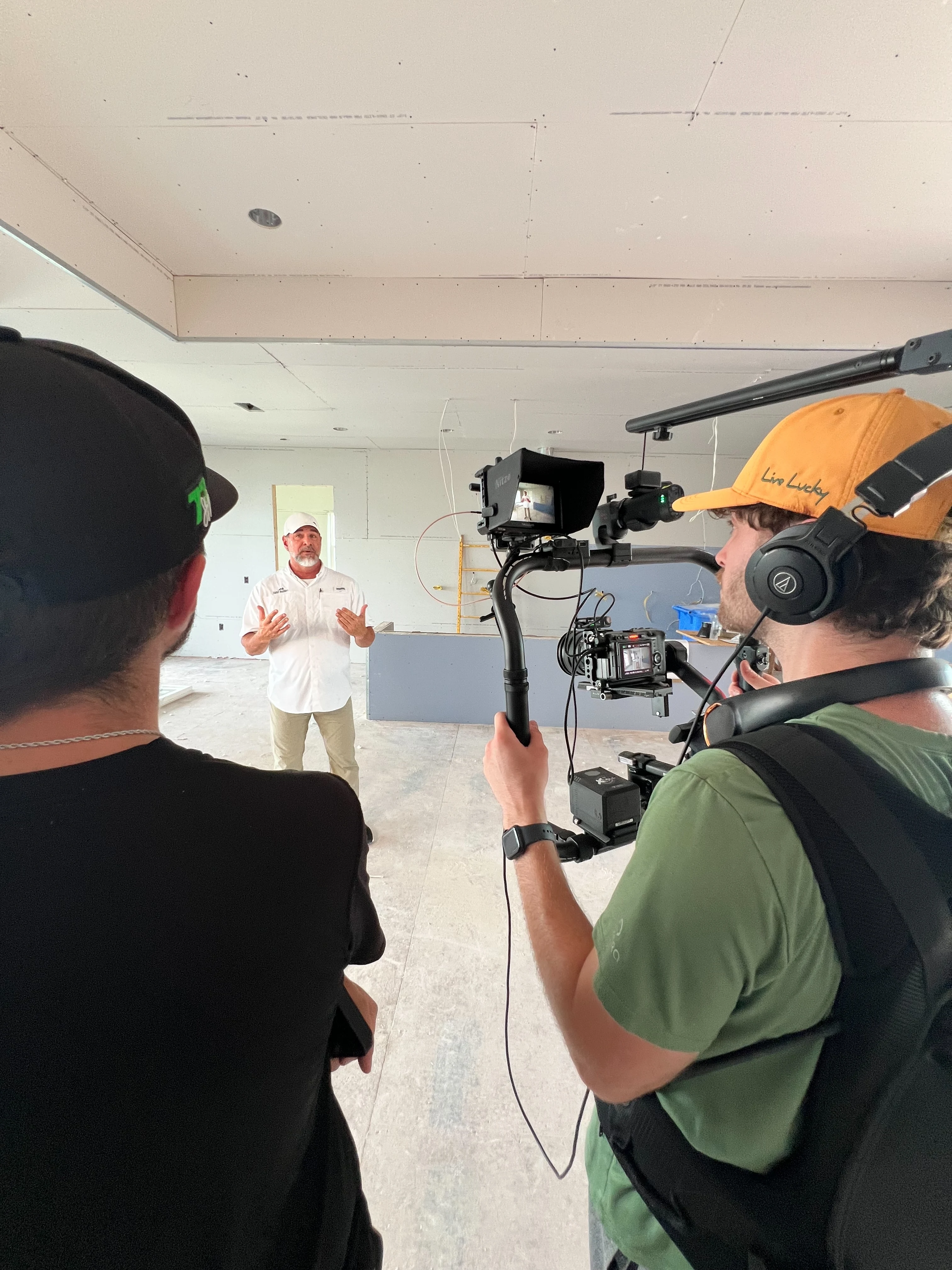
This is also a chance to identify what the crew needs on the day: a team member, a work area, a product sample or a suitable project. Our behind-the-scenes guide shows some of that production context.
Keep the next step consistent
The ending should tell viewers what to do and what to expect. If the ad invites someone to request an estimate, the landing page and follow-up conversation should support that same action.
Use the review to check the entire handoff, from the words in the video to the page a viewer visits. Consistency gives prospects fewer gaps to fill in themselves.
Leave time to get comfortable
Reviewing a script does not mean delivering it perfectly on the first take. Adam describes needing several takes and appreciating the team's patience. His account is about the first production day; it does not report campaign results.
Hear Adam explain the process, or plan a conversation with BVS about the message your customers need to hear.