A business owner should not have to restart every customer conversation from zero. When someone else handles initial inquiries, the handoff needs to preserve what the customer asked for, what has already been explained and what should happen next.
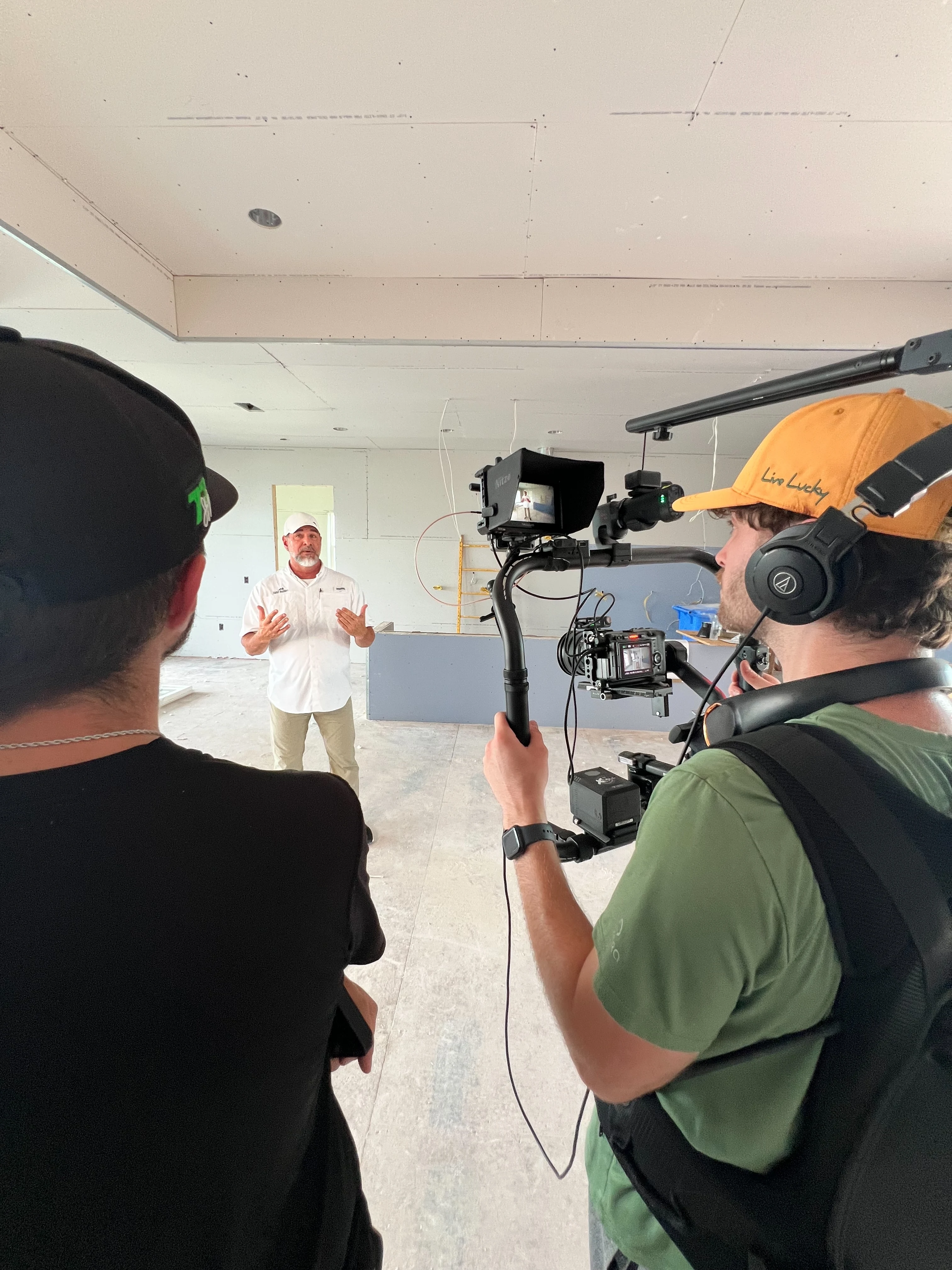
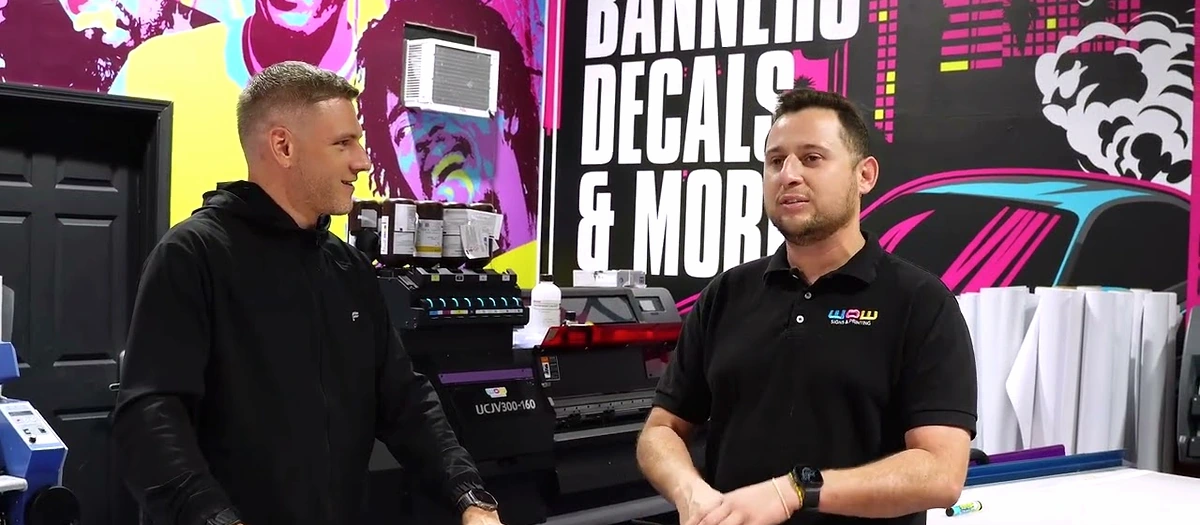
Rudy from Courtesy Screening describes this benefit in his BVS interview: an appointment setter can qualify inquiries and explain the process, allowing him to focus on day-to-day work and receive more informed questions. The value comes from a clear division of responsibility, not simply adding another person to the chain.
Define what the first responder can decide
Write down the questions they can answer, the appointments they can schedule and the situations they must escalate. For example, they may confirm the service area and explain the estimate process while leaving technical recommendations and final pricing to the appropriate team member.
Give them accurate information about capacity. A smooth booking experience is not useful if it promises a visit or service the crew cannot deliver.
Keep one record of the conversation
Use a shared record rather than scattered messages that only one person can see. The handoff should include:
- The customer’s name and preferred contact method.
- The project location and requested service.
- Their description of the problem or goal.
- Relevant photos or documents they supplied.
- Questions already answered and questions still open.
- The agreed next step, date and responsible person.
Record facts and the customer’s words clearly. Avoid upgrading “thinking about it” into “ready to buy” because a calendar slot is available.
Make the next conversation feel connected
An illustrative internal note could read: “Customer is in our service area, wants to discuss replacing patio screening, has sent photos, and is gathering options for next month. Explained the estimate process. Technical question about the existing frame remains open. Alex will call Thursday afternoon.”
The owner can then begin with the project instead of repeating every intake question. The customer should also know who will contact them and why.
Plan for the cases that do not book immediately
Decide what happens when someone does not answer, needs more time, requests work outside your scope or asks a technical question. Give each case an owner and a next action. Follow the person’s contact preferences and stop outreach when requested.
An automatic acknowledgment can confirm receipt, but it does not replace a useful response. It should identify the business, set an honest expectation and avoid implying a person has reviewed the project when they have not.
Review the handoff with both sides
Ask the owner whether booked conversations arrive with enough context. Ask the first responder which questions they cannot answer. Check for repeated information requests, missed appointments and promises that operations cannot honor.
Measure appointments held and useful next steps, not just calendar entries. A busy calendar can conceal poor qualification or customers who do not understand what they booked.
Before adding more ad spend, take one recent inquiry and trace it from submission to the owner’s conversation. Fix the point where information or responsibility becomes unclear.
Source: Courtesy Screening’s interview. This handoff checklist expands Rudy’s account; it does not describe an independently audited client workflow. Start with a shared qualified-lead definition if your team is still using different criteria.